
Hepatitis B Drugs: Treatment Options, Safety, and Cost Guide
SEO Meta
Title Tag: Hepatitis B Drugs: Uses, Safety & Treatment Guide
Meta Description: Explore hepatitis B drugs, including antiviral treatment options, safety information, cost factors, and commonly prescribed medications.
Suggested URL Slug: /hepatitis-b-drugs/
Introduction
Chronic hepatitis B remains one of the world’s most important liver diseases. Although many people with hepatitis B virus (HBV) infection may live for years without symptoms, untreated chronic infection can gradually lead to liver fibrosis, cirrhosis, liver failure, or hepatocellular carcinoma (liver cancer). Modern HBV treatment focuses on suppressing viral replication, reducing liver inflammation, and lowering long-term complications.
This updated HBV treatment guide explains:
- when hepatitis B treatment may be needed
- first-line antiviral medications
- TAF vs TDF comparisons
- monitoring strategies
- liver cancer prevention
- long-term management considerations
What Is Hepatitis B?
Hepatitis B is a viral infection that affects the liver and is caused by the hepatitis B virus (HBV). Some people develop only a short-term (acute) infection, while others develop chronic hepatitis B that may persist for years.
Chronic HBV infection may cause:
- ongoing liver inflammation
- fibrosis (scarring)
- cirrhosis
- liver failure
- increased liver cancer risk
Many patients initially have no symptoms, which is why blood tests and monitoring are essential.
Goals of HBV Treatment
Modern HBV therapy is not simply about reducing viral load. The primary treatment goals include:
- suppressing HBV DNA replication
- reducing liver inflammation
- preventing fibrosis progression
- lowering cirrhosis risk
- reducing hepatocellular carcinoma (HCC) risk
- improving long-term liver outcomes
Complete eradication of HBV remains difficult because viral genetic material called cccDNA can persist inside liver cells even after viral suppression.
When Is HBV Treatment Needed?
Not every patient with chronic hepatitis B requires immediate antiviral therapy. Treatment decisions depend on several clinical factors, including:
- HBV DNA levels
- ALT liver enzyme elevation
- fibrosis stage
- cirrhosis status
- HBeAg status
- family history of liver cancer
- coexisting HIV or hepatitis C infection
Patients with active viral replication and evidence of liver inflammation or fibrosis are generally more likely to require treatment.
Some individuals may only need regular monitoring rather than immediate medication.
How HBV Antiviral Drugs Work
Most first-line HBV medications belong to a class called nucleos(t)ide analogues.
These medications:
inhibit viral reverse transcriptase
block HBV DNA polymerase
interfere with viral replication
reduce viral DNA production
By suppressing viral activity, these drugs help decrease liver inflammation and reduce long-term liver damage risk.
Unlike antibiotics that eliminate bacteria completely, HBV antivirals usually control the virus rather than permanently curing it.
Commonly Used Hepatitis B Drugs
Several antiviral medications are commonly associated with chronic hepatitis B treatment. Drug selection depends on clinical evaluation, regional guidelines, and patient-specific considerations.
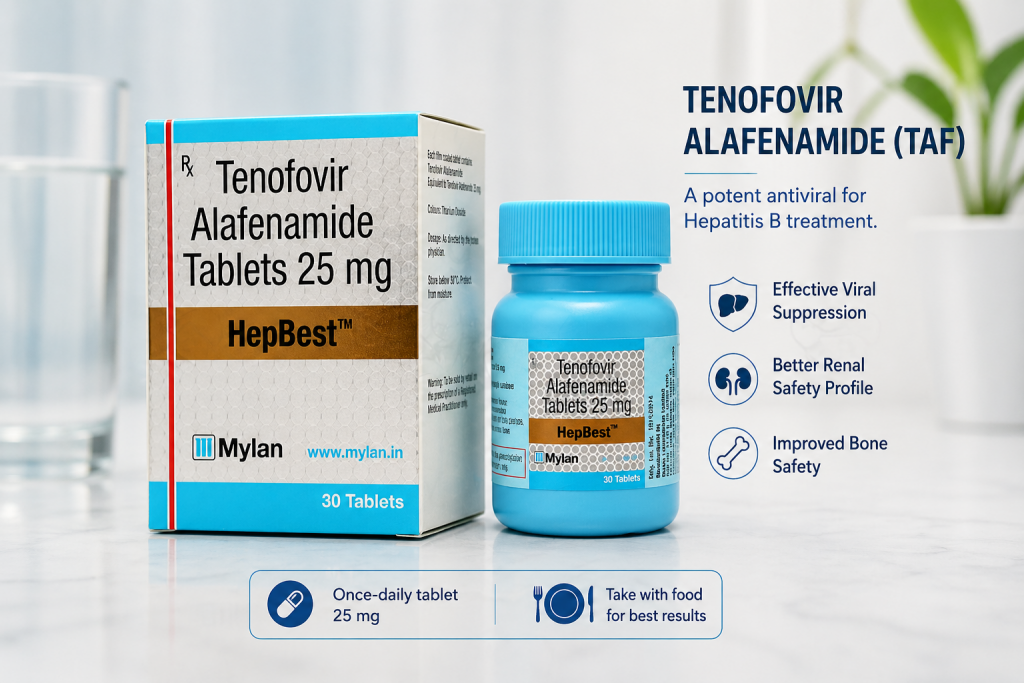
Tenofovir Alafenamide (TAF)
Tenofovir alafenamide is a newer formulation of tenofovir designed to improve targeted delivery while using lower doses. It is commonly discussed in long-term hepatitis B management strategies.
Tenofovir Disoproxil Fumarate (TDF)
TDF has been widely used globally for hepatitis B treatment and remains an important antiviral option in many healthcare systems due to broad generic availability.
Entecavir
Entecavir is another commonly prescribed antiviral medicine used in chronic hepatitis B management. Healthcare providers may consider several patient-specific factors before selecting therapy.
Lamivudine
Lamivudine was one of the earlier antiviral medications used in hepatitis B treatment. In some cases, newer medicines may be preferred due to resistance considerations.
Adefovir and Telbivudine
These antiviral medicines have also been used historically in hepatitis B management, although prescribing trends may vary by region and updated treatment guidelines.
How Hepatitis B Drugs Work
Most hepatitis B antiviral drugs work by reducing viral replication within the body. These medications aim to help healthcare providers manage viral activity and support long-term liver monitoring.
Treatment goals may include:
- Reducing hepatitis B viral activity
- Supporting liver health monitoring
- Lowering progression risks associated with chronic liver disease
- Improving long-term disease management strategies
Individual treatment plans vary significantly between patients.
Hepatitis B Drug Comparison
TAF vs TDF
TAF and TDF are both tenofovir-based antiviral medications, but they differ in formulation, dosage, and monitoring considerations.
TAF is often discussed in relation to kidney and bone health monitoring, while TDF remains widely accessible due to generic availability.
Entecavir vs Tenofovir
Healthcare providers may compare entecavir and tenofovir-based therapies depending on:
- Previous treatment history
- Resistance patterns
- Kidney health considerations
- Long-term treatment goals
Older vs Newer Hepatitis B Drugs
Newer antiviral formulations may offer updated treatment approaches, while older medicines often remain important because of affordability and broader availability.
Side Effects and Safety Considerations
Like many antiviral therapies, hepatitis B drugs may cause side effects in some individuals. Experiences vary depending on the medicine used and individual health factors.
Common Side Effects
- Fatigue
- Headache
- Nausea
- Digestive discomfort
- Dizziness
Monitoring Requirements
Healthcare providers may recommend routine:
- Liver function testing
- Kidney function assessment
- Blood monitoring
- Bone health evaluation in some cases
Patients should never stop antiviral therapy without professional medical guidance.

Hepatitis B Drug Cost and Affordability
Medication affordability is an important concern for patients requiring long-term antiviral treatment.
Factors Affecting Hepatitis B Drug Prices
- Brand versus generic status
- Country-specific regulations
- Insurance coverage
- Public healthcare programs
- Pharmacy pricing differences
Generic Availability
Generic antiviral medicines are often more affordable than branded versions. In many countries, generic TDF and entecavir products are widely available.
Long-Term Treatment Costs
Since hepatitis B treatment may continue for extended periods, patients often consider:
- Monthly medication expenses
- Laboratory monitoring costs
- Follow-up appointments
- Insurance reimbursement options
Buying Guide for Hepatitis B Drugs
Use Licensed Pharmacies
Patients should purchase hepatitis B medications from licensed pharmacies and trusted healthcare providers to reduce risks associated with counterfeit medicines.
Verify Prescriptions
Many hepatitis B drugs require valid medical prescriptions depending on regional pharmaceutical regulations.
Compare Pharmacy Options
Pricing may vary between:
- Retail pharmacies
- Hospital pharmacies
- Online licensed pharmacies
Patients should prioritize authenticity and medical supervision over unusually low pricing.
Global Market Insights for Hepatitis B Drugs
The global hepatitis B treatment market continues evolving as healthcare systems focus on improving antiviral access and long-term disease management.
Newer antiviral therapies have increased treatment options in some regions, while generic medicines continue supporting affordability in many public health programs.
International organizations and healthcare providers continue working to improve hepatitis B screening, diagnosis, and treatment accessibility worldwide.
As pharmaceutical competition increases, additional generic options may influence pricing trends and treatment accessibility in the future.
Data and Insights Section
Growing online searches related to hepatitis B drugs reflect increased public awareness about liver health and chronic viral infection management.
Key healthcare trends include:
- Expanded access to antiviral therapies
- Increased use of generic medicines
- Focus on long-term treatment adherence
- Improved patient monitoring strategies
- Interest in updated antiviral formulations
Healthcare providers increasingly balance treatment effectiveness, long-term safety considerations, affordability, and patient adherence when selecting antiviral therapies.
Regional treatment practices may vary depending on healthcare infrastructure, medication availability, and local clinical guidelines.
Frequently Asked Questions About Hepatitis B Drugs
1. What are the most common hepatitis B drugs?
Common hepatitis B antiviral medications include tenofovir alafenamide (TAF), tenofovir disoproxil fumarate (TDF), entecavir, and lamivudine. Drug selection depends on clinical evaluation, patient history, and regional treatment guidelines.
2. Do all hepatitis B patients need medication?
No. Not every individual with hepatitis B requires immediate antiviral treatment. Healthcare providers evaluate viral activity, liver health, and long-term risk factors before recommending therapy.
3. Are hepatitis B drugs used long term?
Some patients may require long-term antiviral treatment depending on their medical condition and healthcare provider recommendations. Monitoring and follow-up care are important during therapy.
4. What is the difference between TAF and TDF?
TAF and TDF are both tenofovir-based antiviral medicines but differ in formulation and dosing characteristics. TAF is a newer formulation designed for improved drug delivery efficiency.
5. Are generic hepatitis B drugs available?
Yes. Several hepatitis B medications are available in generic forms in many countries, often helping improve affordability and access.
6. Can hepatitis B drugs cause side effects?
Some individuals may experience side effects such as fatigue, nausea, headache, or digestive symptoms. Healthcare providers may recommend routine monitoring during treatment.
7. How much do hepatitis B drugs cost?
Pricing varies depending on the medicine, country, insurance coverage, and generic availability. Long-term treatment costs may include laboratory testing and medical follow-up expenses.
8. Can hepatitis B medications be purchased online?
Some licensed pharmacies offer online purchasing options where legally permitted. Patients should verify pharmacy legitimacy before purchasing antiviral medicines online.
9. What happens if hepatitis B treatment is stopped suddenly?
Stopping antiviral therapy without medical supervision may create health risks in some situations. Patients should always discuss treatment changes with healthcare professionals.
10. Are newer hepatitis B drugs better?
Newer antiviral medicines may offer updated treatment approaches, but the best therapy depends on individual health factors, affordability, monitoring needs, and professional medical evaluation.
Suggested Images
Image 1
Description: Healthcare professional discussing liver treatment options with a patient.
Alt Text: Doctor explaining hepatitis B antiviral drugs
Image 2
Description: Antiviral medication packaging and prescription review.
Alt Text: Hepatitis B treatment medications and prescription guide
Image 3
Description: Educational infographic comparing hepatitis B antiviral therapies.
Alt Text: Comparison of hepatitis B drugs and treatment options
Related Long-Tail Keywords
- best hepatitis B drugs
- hepatitis B antiviral treatment
- TAF vs entecavir hepatitis B
- hepatitis B medicine cost
- long-term hepatitis B therapy
- generic hepatitis B drugs
- hepatitis B treatment options
- modern hepatitis B medications
- hepatitis B antiviral comparison
- buy hepatitis B medicine online
Suggested Internal Linking Topics
- TAF vs TDF Comparison Guide
- Tenofovir AF Price and Availability
- Understanding Chronic Hepatitis B
- How Antiviral Medications Work
- Guide to Safe Online Pharmacy Purchasing
Conclusion
Hepatitis B drugs play an important role in modern antiviral treatment strategies and long-term liver health management. Several antiviral medicines are available today, including tenofovir-based therapies, entecavir, and other treatment options used under professional medical supervision.
Medication selection depends on many factors, including viral activity, treatment history, kidney health, affordability, and regional healthcare guidelines. As pharmaceutical research and global treatment access continue evolving, patients have more options than ever before for hepatitis B management.
For more educational information about hepatitis B therapies, antiviral medications, and healthcare updates, continue exploring trusted pharmaceutical and medical resources.